Fence Products Guide from the very best Fence Contractors
@fencingcontractorvwjw908
September 21, 2026 · 18 min read
A fence is one of those home upgrades that quietly does a lot of work. It keeps kids and pets where they belong, discourages casual trespassing, and gives your property line shape and definition. Still, people rarely buy a fence because they’re excited about brackets or grain direction. They buy it because they want the right look, dependable performance, and a cost that won’t turn into a surprise bill a year later.
If you’ve ever priced fence materials, you’ve probably noticed the range: chain link that seems almost too affordable, wood that looks perfect in photos but can fade fast, vinyl that promises low maintenance, and metal options that look sturdy but vary widely by thickness and finish quality. The difference between a fence that lasts and one that turns into a recurring project often comes down to material choice, installation details, and how the fence will actually be lived with in your specific yard.
Below is a practical guide to fence materials, written from the perspective of what experienced installers pay attention to on real jobs: weather exposure, soil conditions, wind loads, fence height, hardware quality, and maintenance reality.
Start with the job your fence has to do
Before you get attached to a material, define the fence’s “assignment.” The best fence contractors I’ve worked alongside ask award winning fence company this up front, because it changes everything from post spacing to picket style to whether a composite makes sense.
A fence meant for privacy behaves differently than a fence meant for boundary definition. A fence on a sloped yard needs planning for how panels step or rack. A fence in coastal full-service fencing company salt air needs protection far beyond a “weather resistant” paint label. And if you’re installing near irrigation, the way posts are set matters just as much as the board material.
A few common scenarios:
- If you want privacy, you usually want solid or semi-solid panels, tighter spacing, and hardware that won’t loosen as the material expands and contracts.
- If you want security, you care about height, picket gaps, and the strength of posts and rail connections, not just the visible surface.
- If you care about curb appeal, the finish and color consistency matter more than most people expect, especially with wood.
- If you’re trying to minimize maintenance, you need to understand what maintenance still remains even with low-maintenance materials.
When you match the material to the assignment, you avoid the trap of buying the most expensive option that still isn’t right for your yard.
Pressure-treated wood: classic value, real-world maintenance
Pressure-treated wood is popular for a reason. It’s widely available, it looks natural, and it can be a smart value if you plan maintenance instead of ignoring it. Most pressure-treated lumber today is designed for outdoor exposure, but “treated” does not mean “no care needed forever.”
On the best fence contractor side of the trade, the most common quality difference between a fence that ages well and one that warps or checks early is not a brand name. It’s selection and installation.
You want boards that are properly graded for fencing use, not random construction lumber. You also want posts sized for height and spacing. If a fence is tall and posts are undersized, you’ll see lean and sag over time, even if the boards look fine.
Wood also responds to moisture. In wetter climates, or yards where sprinklers wet the fence regularly, you may see faster peeling, discoloration, and mildew. That’s not a failure of the material, it’s a reminder that wood is a living material. A good exterior stain or paint system helps, but it won’t last if water is constantly trapped at the base.
One small detail that affects longevity: how the bottom of posts are protected. Posts are often installed in concrete or set with gravel, and either method has pros and cons. Concrete can hold moisture near the wood if drainage is poor. Gravel can reduce moisture pooling but requires careful installation and the right soil conditions. Experienced installers judge soil type, frost risk, and drainage patterns before committing to a method.
What I tell homeowners is simple: if you choose pressure-treated wood, budget for periodic staining or sealing, or be willing to live with a weathered look. You get warmth and aesthetics, but you trade away effortless ownership.
Cedar and redwood: the “beautiful but specific” option
Cedar and redwood are often chosen for appearance and, in some cases, the way they weather visually. Cedar can be gorgeous when you like the tone it takes on naturally. Redwoods tend to be a bit more stable in certain conditions. Both are typically considered more premium than generic treated lumber.
But the “best fence companies” often emphasize the same point: softwoods move with moisture and temperature. Expect shrinkage, expansion, and some cracking. The goal is to choose a system that ages gracefully rather than trying to prevent every surface change.
Cedar and redwood also tend to be priced higher, so you should pay attention to thickness, picket spacing, and the overall design. A thin cedar fence that’s loaded with wind will behave differently than a thicker, properly braced system.
If you’re in an area with heavy sun, you’ll see fading. If you’re in a region with frequent rain and humidity, you’ll see mildew potential if air flow is blocked. That means styles matter. For privacy fences, solid panels reduce airflow, which can encourage moisture to linger on some surfaces. It’s not automatically bad, but it’s something to factor into maintenance plans.
If you want cedar or redwood and you don’t want to think about it much, consider whether you’re actually selecting the finish approach you can sustain. Some people love semi-transparent stains and reapply every few years. Others prefer a painted finish and more consistent color control. Both are legitimate, but the fence will only stay exactly the way you expect if your maintenance rhythm matches your product choice.
Composite and PVC: low maintenance, but not all “no maintenance” is equal
Composite fencing and PVC (vinyl) are often marketed as low maintenance. They typically resist rot and are less susceptible to insect damage than wood. That’s real, and it’s a big reason many homeowners go this route.
However, “low maintenance” does not mean “zero decisions.” For instance, composite and vinyl materials can be sensitive to installation practices. If the system is not designed for how the material expands, you can get warping or buckling over time. Quality of brackets and rail spacing also matters.
PVC and vinyl tend to expand and contract with temperature swings. Good installation includes allowing for movement and using compatible hardware. That’s where you’ll notice a difference between thorough installers and the crew that treats every fence like the same build.
Composite boards can also show issues if the base framing is not straight or if rails are not secured properly. The boards might look uniform at install, but if the structure shifts even slightly, you’ll see cosmetic problems and uneven gaps as seasons change.
From the field, the best results come when homeowners choose a known system rather than a mix-and-match approach. A fence company that sells a complete, engineered product lineup is usually setting you up for fewer surprises.
If your top priority is “I want it to look good with minimal effort,” composite or PVC can be a strong move. If your top priority is “I want maximum flexibility for repairs years later,” ask how boards are replaced, whether color matching is consistent over time, and whether components come in readily.
Aluminum and steel: strength without the mass
Metal fences bring a different set of advantages. Aluminum is typically lighter and doesn’t rust the way steel can. Steel can be very strong and offers a classic look with pickets, but it may require protective coatings and good design to avoid corrosion.
For aluminum, the details matter: coating quality, post caps, fastener compatibility, and how the system is assembled so water doesn’t sit in places that cause corrosion at joints. Even aluminum needs proper hardware choices for outdoor conditions.
For steel, corrosion management is everything. Galvanization and powder coating can help a lot, but again, the fence’s life depends on the integrity of those systems and on how it handles scratches. A fence installed on damp ground with poor drainage, or one that has hardware choices that trap moisture, will age differently than a well-managed installation.
Metal fences are often chosen for security and boundary definition without the visual heaviness of solid panels. If you have strong landscaping and want a fence that frames rather than blocks the yard, metal is often a great fit.
One trade-off: privacy. You can build privacy with metal, but it usually costs more and often uses thicker components or closer spacing, which changes the look and may reduce airflow. If your goal is privacy, wood, composite, or vinyl privacy styles often win.
Chain link: dependable coverage, but plan for the “feel” factor
Chain link is practical, and it’s frequently selected for yards where visibility and airflow matter. It also shines when budget matters and you want fast installation. But chain link is rarely chosen for its charm. Most homeowners improve the feel with privacy slats, tension upgrades, or by landscaping around the fence line.
A chain link fence’s performance comes down to line post spacing, tensioning, and terminal hardware. If the fence is tight and posts are set right, it holds shape. If it’s under tension or the structure is weak at corners and gates, it becomes loose and more annoying than you’d expect.
Wind is a major factor here. In windy areas, a chain link fence that’s installed with poor bracing can sag. A good installer accounts for wind exposure and may recommend higher gauges or stronger posts depending on your layout.
If you want pets contained and you also want a better appearance, ask about the slat types available and how they attach. Slats can add privacy and reduce sightlines, but they can also increase wind resistance depending on design.
One more practical detail: gate hardware. Gates are where many chain link fences show wear first. A “good enough” gate hinges on proper alignment, good tension, and sturdy brackets.
Wrought iron: timeless look, but treat it like a finish, not a structure
Wrought iron fences have a classic visual impact. They are often chosen for front yards, historic properties, and areas where the fence is part of the landscaping design.
But wrought iron is still metal, and metal still needs a coating system that protects against corrosion. The quality of the protective finish and how it’s maintained matters. Over time, paint can chip. Moisture can find its way into small gaps at joints. A fence that looks good initially may require touch-ups to protect long-term integrity.
If you’re considering wrought iron, the best move is to treat it like a decorative finish with real maintenance needs, even if it’s not as demanding as wood staining. The upside is durability and a distinctive look that most vinyl or composite options can’t replicate.
Post setting: the quiet difference between a fence that holds and a fence that creeps
Fence material choice is only half the story. Post setting is the foundation of everything. Even the most beautiful boards fail if posts loosen or shift.
The three most common approaches are concrete, gravel backfill, and post sleeves for some systems. Each approach makes sense depending on soil and climate. In freeze-thaw areas, deeper setting can be important. In sandy or highly draining soil, gravel backfill might work well. In clay soils with poor drainage, concrete can trap moisture and contribute to faster deterioration of wood unless the installation is done thoughtfully.
Experienced installers also pay attention to the fence line layout. Corner posts and gate posts take real stress. They should be stronger and more securely braced. If you’ve ever seen a fence where corners lean first, you’ve seen what happens when terminal posts aren’t overbuilt for the job.
Also consider how fences are anchored to the ground. Gates, especially, need heavy-duty hinges and alignment so the latch doesn’t force the frame out of square. Minor misalignment at install can become a major gap in a year.
If you want a simple takeaway: when you ask “what material is best,” the better question is “what post and bracing method will you use for this site, and why?”
Wind, height, and spacing: the math installers think about
Fence height affects wind load and the amount of leverage the structure has. Two fences made from the same material can behave differently if one has more solid surface area or less bracing.
Privacy fences usually have more solid area than semi-open styles. That means they catch more wind. In breezy locations, that’s why the best fence contractors think about rails and bracing before they think about the final visual panel look.
Spacing matters too. Wider picket spacing can reduce wind load, which can help with stability in some wind conditions. But if you’re aiming for privacy, you’ll often need tighter spacing, which may require stronger framing and better post bracing.
Pick a style based on your goal, then let the installer design the structure to match. A fence that looks right but is underbuilt for the wind in your area might stand for a while, then start leaning or loosening after several seasonal shifts.
Color and finish: what you see now isn’t always what you’ll see later
Finish choice is where many materials diverge. Vinyl and PVC tend to keep color longer, though they can still fade depending on quality and sun exposure. Composites often retain a more consistent look, but the best appearance usually comes from good installation and consistent board selection.
Wood is the wild card. It can look incredible right after staining, then it fades, changes tone, or develops a patchy look if the stain system isn’t matched to the wood and the maintenance schedule isn’t realistic.
When a homeowner says, “I want it to look the way it does in the sample photo,” installers hear the unspoken question: can you keep that look? Sometimes you can, but only with the right stain or paint system and realistic reapplication timing.
A practical rule: if you’re selecting wood and you hate the idea of periodic maintenance, you may be happier with a more stable material even if the initial cost is higher. On the flip side, if you enjoy the idea of refreshing the fence every few years, wood can be worth it for the natural look and the flexibility of color changes over time.
Choosing the right material for your yard: a grounded way to decide
Instead of chasing the “best” fence material in a vacuum, treat it like matching a tool to the task. Here are common decision points homeowners bring up, and how material choices typically respond.
If you have heavy sun all day, you’ll care about fading resistance and stable color. Vinyl, composite, and well-selected metal finishes often hold up better visually than untreated or lightly coated wood.
If you have constant shade and humidity, mildew becomes a real consideration. Wood can handle shade better with the right coatings and maintenance, but it will need attention. Materials that do not support rot can still show algae or staining if air flow is poor, though the maintenance methods differ.
If you have pets that push, scratch, or lean, you should pick a material and rail structure that won’t deform easily. Chain link can be tough, but slats and certain vinyl styles might get stressed in high-contact areas. Metal can resist impacts well, but sharp edges and coatings need to be intact. Wood can take impact, but it can also split and loosen if fasteners aren’t properly installed.
If your yard is sloped, you should think about how the fence will step. Certain materials can handle panel step-downs more smoothly. Others require special rails or more precise installation to keep the line straight visually.
If your area sees freeze-thaw weather, post setting depth and frost exposure become critical regardless of whether you choose wood, vinyl, or metal.
The best fence companies often win not because they push one material, but because they help you choose based on the environment and your tolerance for upkeep.
Common pitfalls when choosing fence materials
Even smart homeowners make predictable mistakes. They’re usually not about taste. They’re about misunderstanding how a material ages.
One common pitfall is buying the cheapest version of a material category and assuming the category guarantees performance. For instance, thin wood boards or cheaper framing can lead to warping. Thin vinyl panels can bow if the structure isn’t braced properly. Under-spec steel or poorly coated metal can corrode faster than expected.
Another pitfall is ignoring gate design. Gates are structurally loaded. They need stronger posts, better hinges, and more rigid frames. Some fence failures start at the gate line and spread outward.
A third pitfall is choosing a “pretty” style without checking wind exposure and spacing. A solid-looking privacy fence that’s installed with minimal bracing can behave fine in calm weeks and then visibly deform in a storm season.
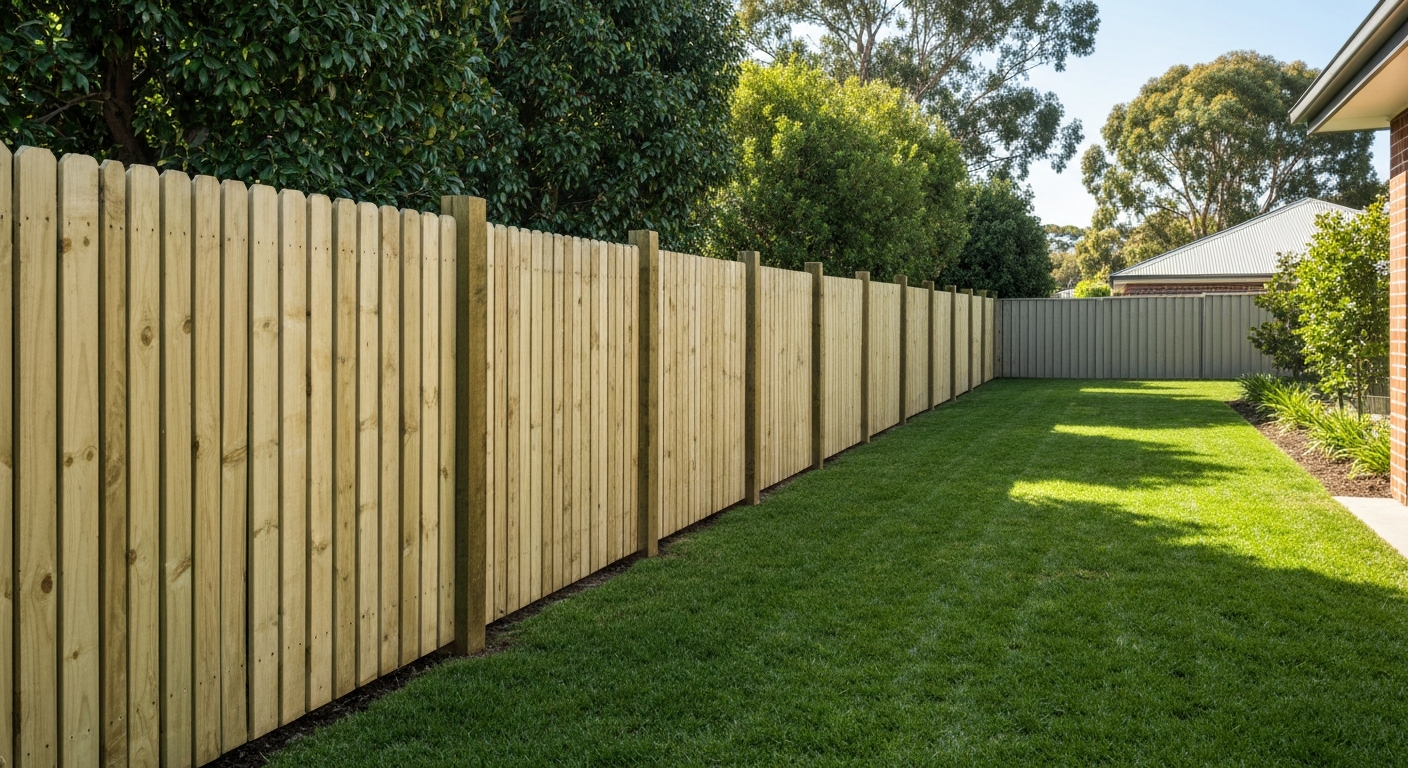
Finally, many people forget that fence lines interact with landscaping. Hedges, sprinklers, and drainage changes can affect moisture at posts and the lower fence area. If you’re planting new shrubs near a fence, keep in mind how you will access them for maintenance and pruning. Dense vegetation can trap moisture against wood and contribute to staining or mildew on some materials.
Questions to ask when you’re talking to best fence installers
A great fence contractor can explain materials clearly without sounding like a salesperson. They’ll talk about your site and how they’ll build the system. They’ll also be comfortable discussing trade-offs, such as how a certain style offers privacy but increases wind load.
Here are a few questions that quickly reveal whether you’re dealing with experienced professionals, or someone who just installs whatever shows up on the truck.
- How do you size and set corner and gate posts for my height and soil type?
- What fencing method will reduce movement and leaning over time in my yard’s conditions?
- What materials and hardware do you use, and are they compatible with expansion and weathering?
- How do you handle drainage near the fence line, especially where sprinklers hit?
- What maintenance should I expect for this specific material and finish?
If the answers are specific and tailored to your property, you’re likely talking to the kind of team that earns the phrase best fence contractors for a reason.
Maintenance expectations, realistically
Maintenance is where your investment either stays pleasant or starts to feel like a chore. The goal is not to scare you out of choices, it’s to help you pick an option that fits your life.
Wood typically needs periodic staining or sealing if you want consistent color and better protection. Cedar and redwood often get mildew discoloration if shade and moisture stay high, so cleaning schedules may matter.
Vinyl and composite often need rinsing and occasional cleaning to remove grime and algae. They usually do not require staining, but you still may need to replace cracked boards or damaged sections if something impacts them.
Metal usually needs inspection and touch-ups. If coatings chip, corrosion can start where the protective layer is damaged. Powder coating can last a long time, but it is still a coating, and coatings can be compromised by impact.
Chain link needs periodic tension checks and occasional hardware adjustments. Gates may need alignment over time, especially in shifting ground.
One of the best ways to plan maintenance is to ask your installer how they’ve seen similar fences age in your climate. A contractor who’s done local work for years can often tell you what problems commonly appear and what preventative choices they make to slow those problems down.
A note about cost and value
Cost discussions can get messy fast. Fence pricing often depends on labor, materials, height, gate count, terrain, and how much bracing the system needs. The material itself is only part of the price.
I’ve seen homeowners buy a cheaper fence material and then spend more later because the fence required more frequent adjustments, repainting, or panel replacement. I’ve also seen people overpay for premium materials without realizing that their property conditions would still stress the fence.
Value comes from matching materials and build quality to what your yard demands. That’s why comparing quotes from different best fence companies should include structure details, not just a per-foot number. Ask about post depth, bracing, rail thickness, gate hardware, and the finish system.
If two bids both use similar materials but one includes stronger posts and better terminal bracing, the lower initial price may not be the better long-term deal.
Final thoughts before you pick your fence materials
A fence is a system, not just boards or panels. The “best” material is the one that fits your goals, your yard conditions, and your maintenance preferences. If you want the warm look of natural wood and you’re willing to maintain it, pressure-treated lumber, cedar, or redwood can be an excellent choice. If you want lower ongoing upkeep and steady appearance, composite or PVC often makes more sense. If security and strength with minimal visual bulk matters, aluminum or steel can deliver. If budget and practicality drive the decision, chain link remains a solid option, especially with upgrades for privacy and tensioning.
Most importantly, the fence is only as good as the installation decisions behind it: post setting method, corner and gate reinforcement, wind-readiness, and the hardware used to connect everything together. When you hire experienced best fence installers, you’re not just paying for labor. You’re paying for judgment, the kind that comes from having installed these fences through multiple seasons and learning what actually fails, and where it fails.
If you want, tell me your approximate location (or climate type), the fence height you want, whether you need privacy or mostly boundary definition, and whether the yard slopes. I can help you narrow down which materials fit best and what installation details to look for in quotes.